
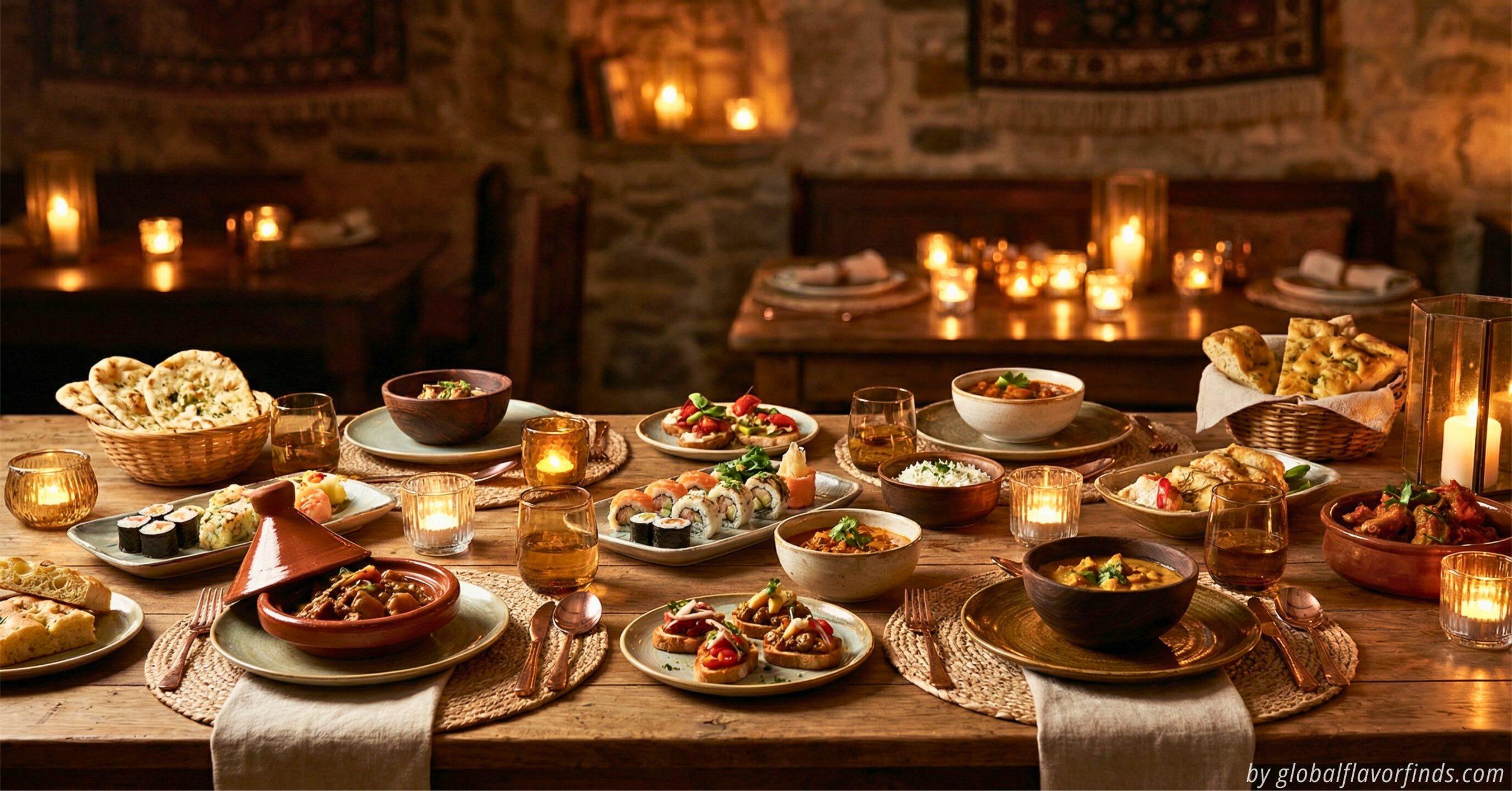
There’s something deeply emotional about festive food.
It’s not just what’s on the plate; it’s the memories tied to it. The smell can remind you of home. The dish that only appears during special occasions holds special meaning. The recipe, passed down through generations, may be a bit imperfect but is full of love.
Around the world, celebrations are marked not just by decorations but also by food that brings people together. From joyful family feasts to quiet, meaningful traditions, festive dishes tell stories of culture, history, and togetherness.
In this guide, we’re traveling across continents to explore 10 iconic festive foods from around the world. These dishes brighten celebrations, create connections, and turn ordinary meals into unforgettable moments.
🎉 Why Festive Foods Matter Across Cultures
Festive foods are universal, yet beautifully unique.
They represent abundance, gratitude, luck, and love. In many cultures, these dishes take hours or even days to prepare. This is not because they are complicated, but because they hold special meaning.
Festive cooking often involves:
- Gathering in the kitchen together
- Slowing down and being present
- Honoring tradition while creating new memories
No matter the country, festive food always serves the same purpose: bringing people closer.
🌎 10 Festive Foods from Around the World
Below are the most relevant and iconic dishes worth celebrating. They were chosen for their cultural importance, emotional value, and global appeal.
🇮🇹 Torrone – Italy
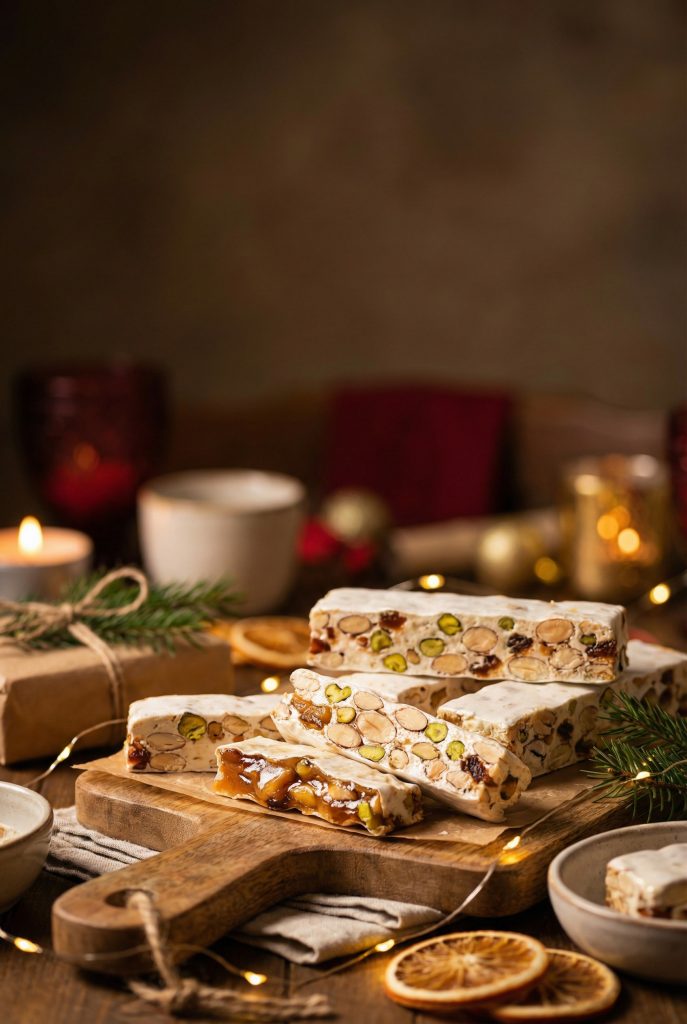
A traditional nougat made with honey, nuts, and egg whites.
It is often enjoyed during festivals and special gatherings. Torrone is closely linked to Italian heritage and family celebrations.
Why it works: It’s unique, shelf-stable, visually appealing, and very festive. It is less overused than Panettone.
🇯🇵 Osechi Ryori – Japan
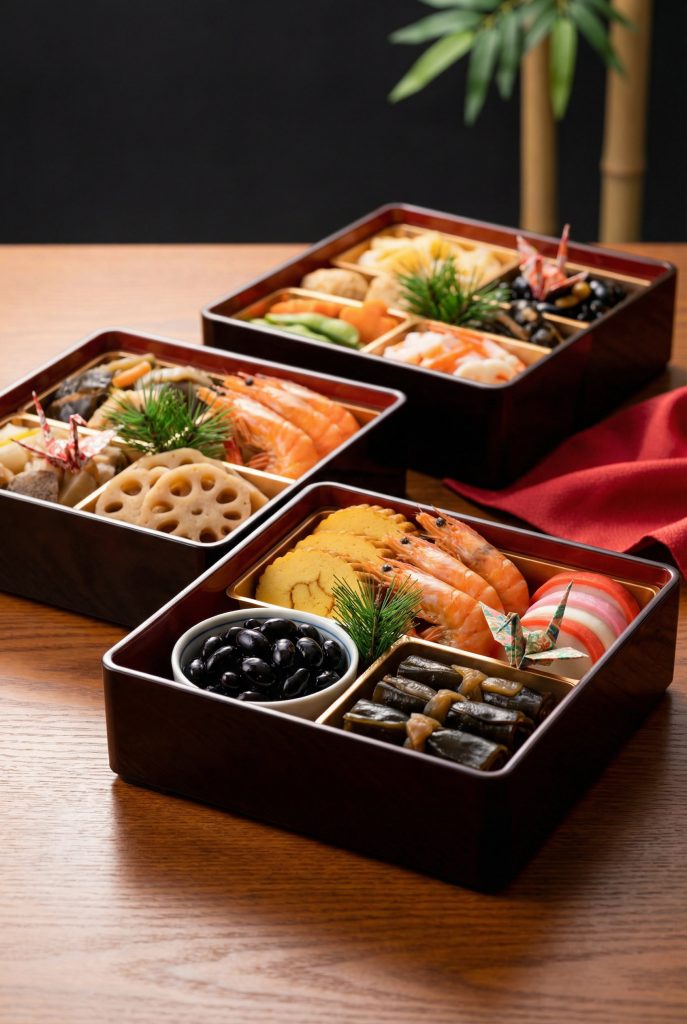
These beautifully arranged New Year dishes come in stacked lacquered boxes. Each item symbolizes luck, health, or longevity.
Osechi is prepared ahead of time so families can enjoy the celebration without cooking.
Why it’s festive: Every bite carries hope for a brighter year ahead.
🇫🇷 Bûche de Noël – France
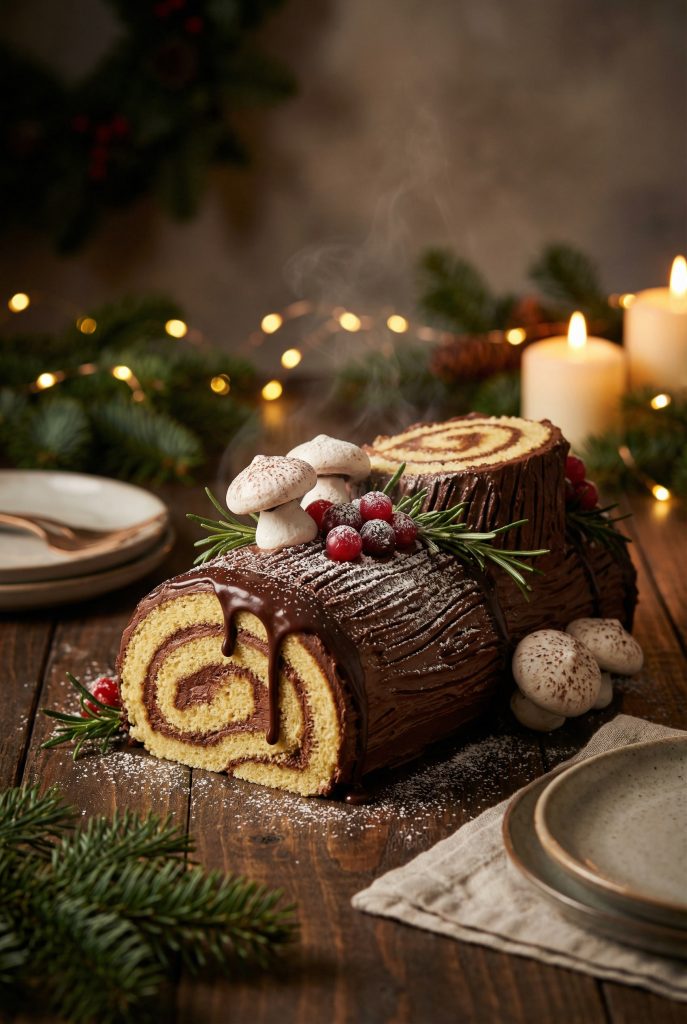
This elegant yule log cake is rich with nostalgia.
It looks like a log that was once burned for warmth. Bûche de Noël symbolizes comfort, light, and family during colder seasons; however, it is great for celebrations all year long.
Why it’s festive: It combines storytelling, artistry, and indulgence.
🇵🇭 Lechon – Philippines
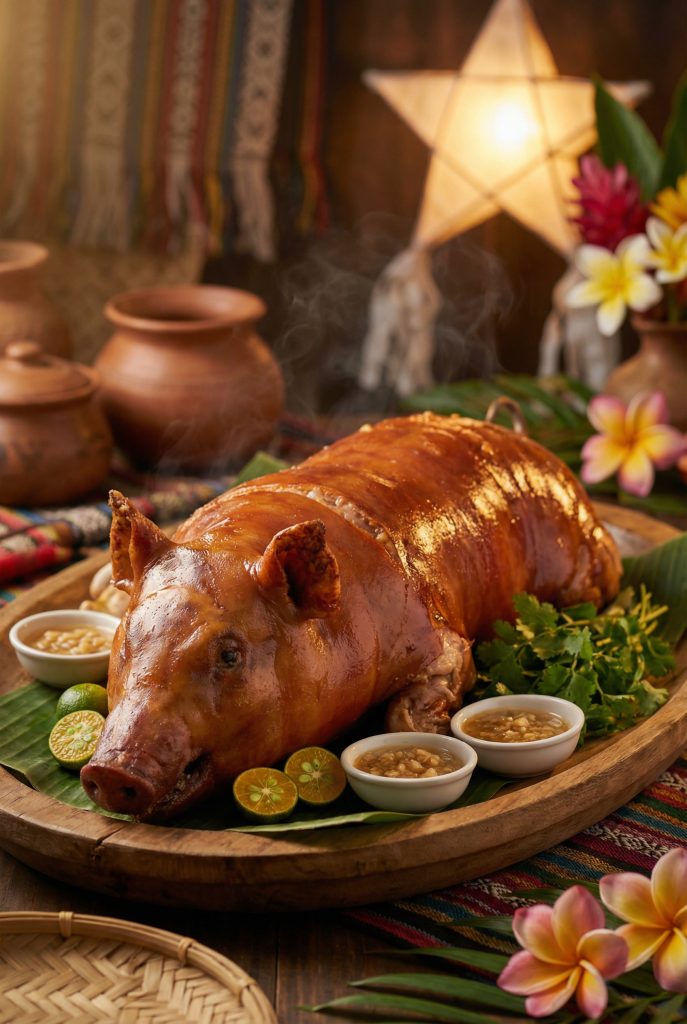
Golden, crispy, and proudly shown, Lechon is the highlight of Filipino celebrations.
From weddings to fiestas, it represents abundance and generosity.
Why it’s festive: It makes any gathering a real celebration.
🇲🇦 Couscous Royale – Morocco

Steamed couscous topped with vegetables, meat, and flavorful broth is traditionally served on Fridays and during special occasions.
It’s meant to be shared and often enjoyed together from one large dish.
Why it’s festive: It symbolizes unity, warmth, and hospitality.
🇨🇳 Nian Gao – China
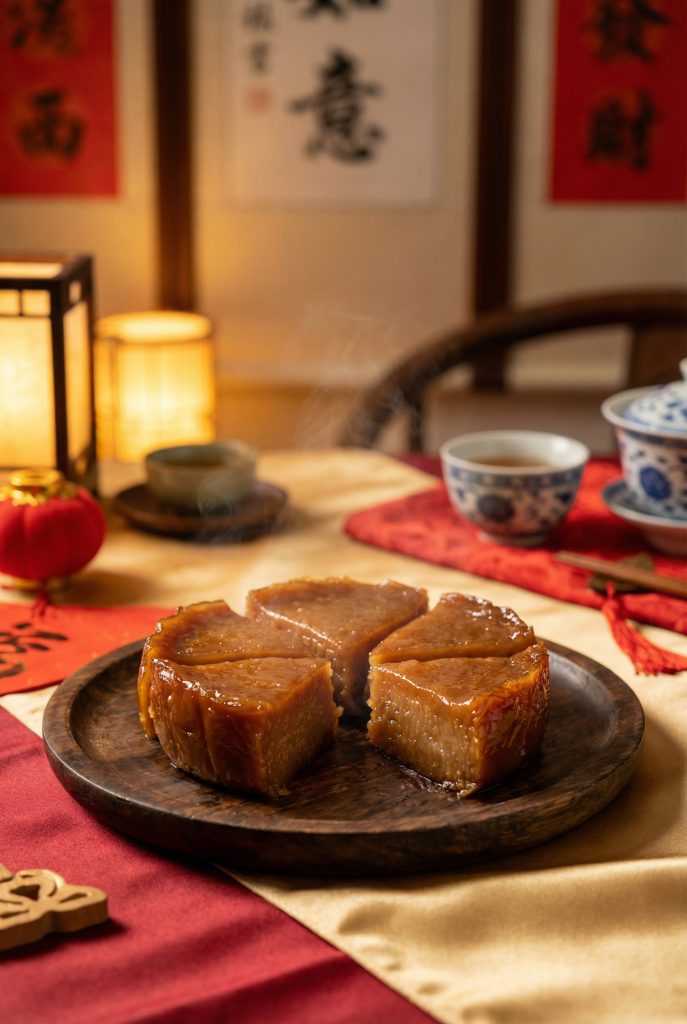
Sticky rice cake symbolizes growth and progress.
The name sounds like “higher year,” which makes it very meaningful for celebrations.
Why it works: Great symbolism and strong year-round search appeal.
🇪🇸 Paella – Spain

Cooked in a large pan and served right from the center, Paella is made for celebration.
It is often cooked outdoors, turning the experience into a social gathering filled with conversation and laughter.
Why it’s festive: It celebrates sharing, sunshine, and community.
🇲🇽 Tamales – Mexico
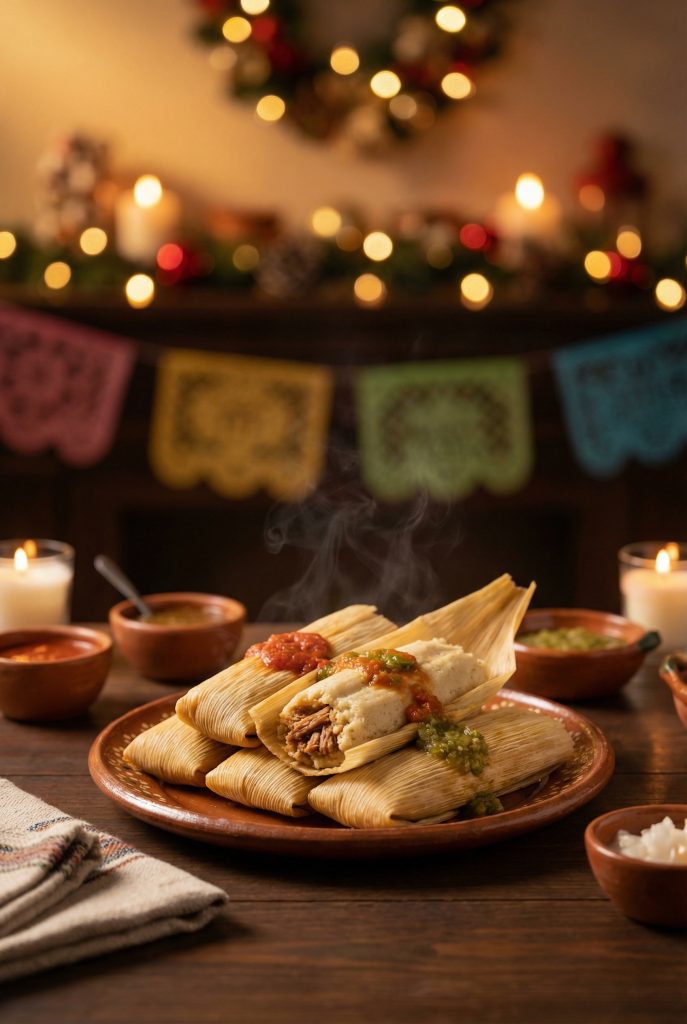
Tamales are more than just food; they’re a family event.
Wrapped in corn husks and filled with savory or sweet fillings, families often prepare tamales together during celebrations. Laughter, storytelling, and teamwork are essential parts of the process.
Why it’s festive: It celebrates togetherness and the traditions passed down through generations.
🇮🇹 Panettone – Italy
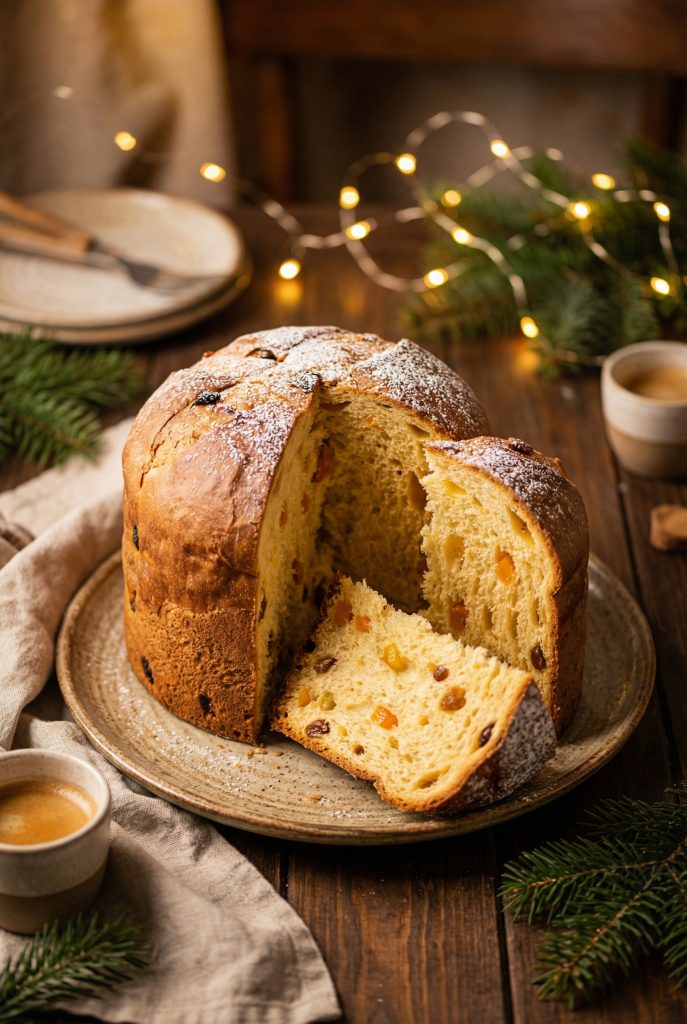
Tall, airy, and filled with dried fruits, Panettone is a cherished Italian celebration bread.
Once saved for Christmas, it is now enjoyed throughout the year at gatherings and special occasions. Served with coffee or shared after dinner, Panettone feels like a warm hug in dessert form.
Why it’s festive: It symbolizes generosity, prosperity, and shared sweetness.
🇩🇪 Stollen – Germany
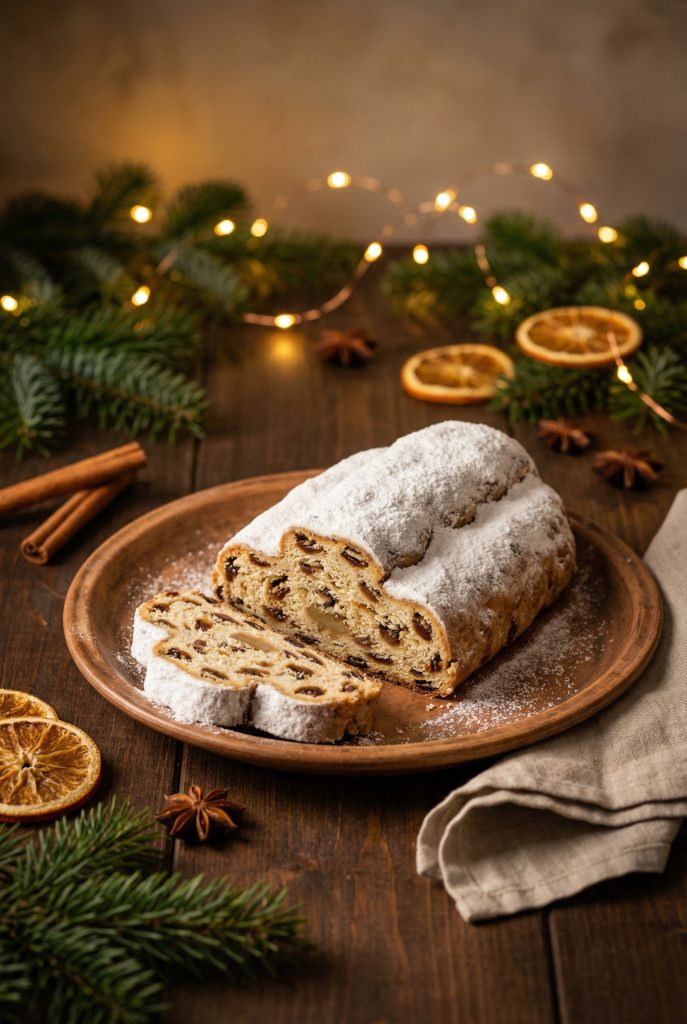
This dense fruit bread, dusted with powdered sugar, gets better with time, just like traditions.
Often baked weeks ahead, Stollen stands for patience, faith, and anticipation.
Why it’s festive: It’s full of history and holiday spirit.
🎁 How to Bring Global Festive Foods Into Your Home
You don’t need a holiday to celebrate with food.
Here are simple ways to start:
- Choose one country each month.
- Host a themed dinner night.
- Use local ingredients in recipes.
- Focus on the experience, not perfection.
Celebration is about intention, not complexity.
🍽️ Practical Takeaways for Home Cooks
- Festive dishes tell stories, so share them while you cook.
- Cooking together builds stronger connections.
- Presentation improves the experience.
- Global recipes expand both skills and understanding.
🌍 Final Thoughts: Celebrate Life Through Food
Festive foods remind us that celebration is universal.
Food brings comfort, joy, and belonging in cultures around the world. When you bring global festive dishes into your kitchen, you’re not just cooking; you’re honoring traditions, creating memories, and celebrating life itself.